






The Centre on Tuesday announced major upgrades to its payment tracking system that will enable faster fund transfers to millions of Indians who receive government benefits, scholarships and pensions.
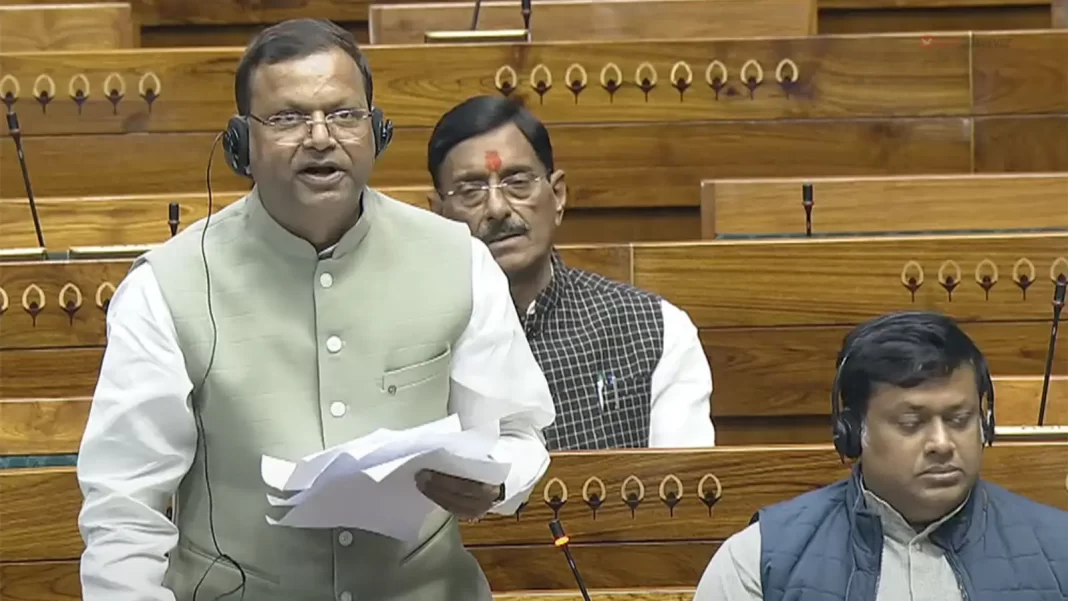
The Public Financial Management System (PFMS), a web-based platform that processes all government payments, has been upgraded with new digital modules to ensure real-time tracking and reduce delays in direct benefit transfer (DBT) payments, Minister of State for Finance Pankaj Chaudhary said in a written reply in the Rajya Sabha.
The upgrades are significant for the over 50 crore Indians who receive benefits through the DBT system. Delays in fund release have long affected beneficiaries of schemes ranging from PM-KISAN farmer payments to scholarship disbursals and pension transfers.

What is PFMS and why does this upgrade matter?
PFMS is the single system the government uses for payment, accounting and reconciliation of all transactions. It has now replaced multiple standalone platforms with one integrated digital framework.
The system connects ministries, state governments and banks to track every rupee from allocation to the moment it reaches a beneficiary’s account. Previously, tracking funds across different schemes and implementing agencies was difficult, leading to delays and discrepancies.
To improve cash management and speed up fund flows, the government has rolled out several new modules. These include Single Nodal Agency (SNA), Treasury Single Account (TSA), Central Nodal Agency (CNA) and SNA SPARSH, which stands for Samyochit Pranali Ekikrit Shighra Hastantaran.
In plain terms, these modules ensure that funds for centrally sponsored schemes are released just in time, rather than being parked in intermediate accounts. The money now moves directly to beneficiaries’ bank accounts through the Reserve Bank of India.
Technical changes to reduce payment failures
The government has also introduced changes to reduce transaction failures that often leave beneficiaries waiting for their entitled payments.
One key change involves Aadhaar authentication. PFMS now shares Aadhaar seeding and de-seeding data with external systems in advance. Seeding refers to linking a beneficiary’s Aadhaar number with their bank account. When this data is incorrect or outdated, payments fail. The new system aims to catch these issues before transactions are processed.
Another change moves away from bulk rejection of payment files. Earlier, if some entries in a payment file had errors, the entire batch could be rejected. Now, the system uses partial acceptance, allowing valid payments to proceed while flagging problematic entries for correction.
“These digital interventions have enhanced transparency by allowing real-time tracking of funds and generating instant reports across schemes,” Chaudhary said.
Grievance redressal gets digital overhaul
For beneficiaries who face issues with their payments, PFMS has introduced a Customer Relationship Management (CRM) system. This is essentially a digital helpdesk that tracks complaints from start to resolution.
The CRM system provides automated ticket generation, instant acknowledgements and grievance tracking. Users can also access frequently asked questions to resolve common issues without waiting for support.
PFMS also conducts Open House sessions twice a week where users can raise operational issues directly with system administrators. Daily virtual DBT Open House interactions offer an additional channel for beneficiaries and implementing agencies to get support.
The government said it is continuing to upgrade PFMS based on user feedback. The stated objectives include faster fund disbursal, improved service delivery and stronger accountability in public finance management.
However, the real test will be whether these technical upgrades translate into fewer delays and failed transactions for beneficiaries on the ground.
Quick Answers
What is PFMS and what does it do?
PFMS stands for Public Financial Management System. It is a web-based platform that handles all government payments, accounting and reconciliation of transactions across central and state schemes.
How will the PFMS upgrade affect DBT beneficiaries?
The upgrade enables just-in-time release of funds and real-time tracking, which should reduce delays in receiving government welfare payments such as pensions, subsidies and scholarships.
What is Aadhaar seeding in DBT payments?
Aadhaar seeding refers to linking a beneficiary’s Aadhaar number to their bank account. This link is required for direct benefit transfers to be credited to the correct account.
How can users resolve PFMS-related grievances?
PFMS has launched a CRM system for automated ticket generation and grievance tracking. The government also conducts Open House sessions twice a week and daily virtual DBT interactions.


