





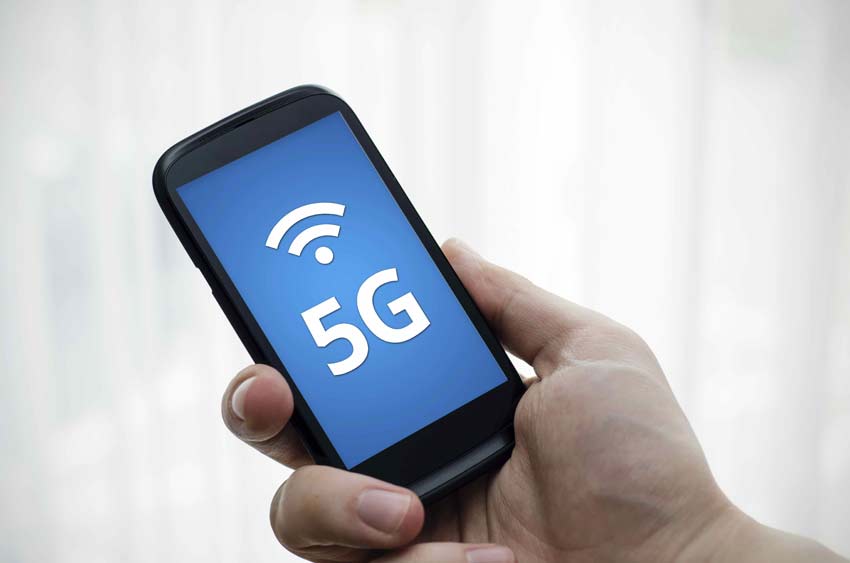

5G is already transforming and enhancing mobile connectivity. Although 5G has many benefits including massive network capacity and improved efficiency, it also allows for more cybersecurity threats that could greatly impact individuals as well as organizations. As the fifth-generation mobile network becomes increasingly accessible, cyber-attacks also increase almost proportionately. Thus, organizations should be aware of the increased risks and cybersecurity concerns that the 5G network may introduce.
5 Key Security Risks Linked to 5G Adoption
1) Faster networks provide ideal attack conditions: Cyber threat actors want quick wins. Thus, any device that responds rapidly is a more attractive target over a device that originates from a high latency, low throughput network. The perfect scenario for a hacker is a vulnerable device connected to a low latency, high-speed network because it responds faster.
2) Increased bandwidth means increased attack surface: An attack surface is defined as the total number of all possible entry points for unauthorized access into any system. With millions of better-connected devices, 5G creates an increased attack surface. The risk of more sophisticated botnets, privacy violations, and faster data extraction can escalate with 5G.

3) More IoT, more problems: The lack of security in many IoT devices is an ongoing concern. 5G accelerating the world of IoT can only enhance this risk. Smart TVs, smart watches, door locks, speakers, etc. can be a network weakness. Each insecure IoT device on an organization’s network represents another potential loophole that an attacker can expose.
4) Decreased network visibility: 5G will lead to a substantial increase in network traffic to be managed. However, without a robust wide area network (WAN) security solution such as Secure Access Service Edge (SASE) in place, organizations will find it difficult to gain the network traffic visibility required to identify anomalies.
5) Decentralized security: Networks in the pre-5G era had fewer hardware traffic points of contact, which made security checks relatively easier. 5G’s dynamic software-based systems have far more traffic routing points. Monitoring and securing all of these points can be a daunting task. Any unsecured point might compromise other parts of the network.
How to Be Cybersecure in the 5G Era?
Although governments are trying to prepare for the future of a 5G-driven world, enterprises must look for actionable ways to mitigate risks. Here are a few tips that can help to mitigate the risks.
- Adopt a zero-trust framework, which is based on the strategy that the network is secured using the least privileged access controls. As the name suggests, the framework follows zero trust, resulting in enhanced network infrastructure and enhanced threat protection.
- Regularly update all the devices that have access to the organization’s network. The devices need periodic updates due to bug fixes, security fixes, new features, and technological upgrades.
- Enforce a strong password policy for all devices. Create awareness about best practices such as using long strings of random characters comprising uppercase, lowercase, symbols, and numbers.
- Install an anti-virus solution on all devices. Antivirus software is one of the most important pieces of software that should be installed on every computer since it helps to prevent viruses and malware from infecting it.
- Leverage dedicated endpoint security solutions to monitor 5G security threats and enable remote responses to mitigate any discrepancies. Endpoint protection offers a centralized management console to which organizations can connect their network. The console allows administrators to monitor, investigate and respond to potential cyber threats.
- Educate and prepare users for the cyber risks associated with connected devices. Training your employees about cybersecurity awareness allows them to understand how they play a role in protecting your company. Rather than being an insider threat due to negligence, they should be the first set of defenses that guard against external threats.
Place equivalent focus on the security
As we pursue the connected future, we must place equivalent focus on the security of those connections, devices, and applications. To take full advantage of the fifth-generation wireless technology while mitigating the associated cybersecurity risks, organizations need to be aware of the threats and take proactive steps to secure their networks. IT professionals can mitigate many of these vulnerabilities by taking a proactive approach to cybersecurity and creating secure networks that protect data from the edge to the cloud.
The author is Chief Technology Officer, Clover Infotech. Views are personal.


