






India has been in the news for building and promoting digital infrastructure as a public good. However, there is another side to India’s initiative of using digital programmes to build a unique model of sustainable social enterprise, especially in rural areas. The Government programme of Common Service Centres (CSC) is designed on this framework of digital literacy, skilling and using service delivery as an incentive for entrepreneurship development.
Out of approximately five lakh CSCs, about one lakh are operated and managed by women. Women-led ICT-enabled enterprises on such a large scale, geographically equitably spread across the country, are unique and likely the first of their kind globally.
Started in 2006, the real momentum for the CSC scheme was provided after 2014 when CSC became an integral part of the Digital India programme and received the desired political support. The Government took steps to make the programme a “movement” rather than just a scheme, generating passion and commitment among a new breed of entrepreneurs to serve society and build sustainable enterprises.




There were only 68,000 CSCs before 2014, which has increased to more than five lakh as of March 2024. The Government did not provide any capital support required for the infrastructure to start such enterprises but utilised the network to deliver various services to citizens. With an average capital investment of Rs 2.0 lakhs per CSC, the total private investment in this scheme has been around Rs 10,000 crore.
The Government’s enablement catalysed private capital investment from many entrepreneurs, primarily in rural areas. This is exemplary and a potential case study for similar initiatives in other sectors like agriculture and allied fields, mobilising private capital for larger public good.
Political Ownership and Digital Literacy
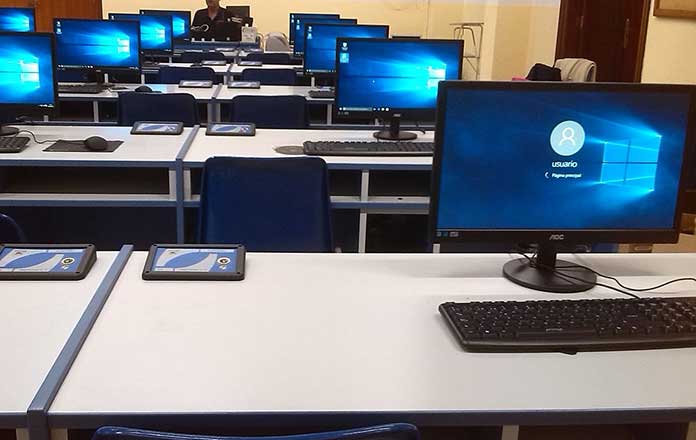
Besides political ownership and continuous Government support, other factors contributed to the success of the CSC scheme. The Government’s programme of implementing “Digital Literacy” through CSCs was a key ignition point for enabling entrepreneurs to improve computing infrastructure. Many CSCs, which initially had only 1-2 computers, now boast 5 or more.
This was necessary for implementing the digital literacy scheme in local areas, transforming CSCs to use education services as a foundation, opening avenues for sustainable income. This attracted youth and significantly increased footfall at the CSCs. With Rs 300 per student trained, CSCs could generate an income of Rs 3.0 lakhs by training about 1,000 persons under the digital literacy programme.
CSCs leveraged this enhanced computing infrastructure to start new courses in the digital space—BCC, CCC, cyber security, etc. Additionally, CSCs also began offering NIOS courses, IGNOU, and courses from other institutes/universities in online mode.
CSC centres started catering to the educational needs of communities, especially those weak in studies, who failed in traditional school systems, or were unable to attend school/college due to social or economic constraints. This often included girls/women, who were not allowed to pursue studies for various reasons. CSC education services empowered local communities, significantly helping reduce the digital divide by creating access to computing infrastructure for everyone in the community.
Also Read | Digital Transformation: Starting too soon can be as damaging as starting too late
A large number of organisations sought to utilise CSC infrastructure for promoting education, literacy, and similar initiatives through CSR. This led to CSC forming a ‘not-for-profit organisation,’ namely the “CSC Academy.” The success of the digital literacy programme through the CSC network subsequently opened newer opportunities for utilising CSR funds from many organisations to deliver various education and related services to citizens.
Framework and Innovations
The framework designed for the implementation of the PMGDISHA project was unique, considering local constraints, primarily logistical and social. For the first time, a “remote proctoring examination” system was developed, allowing digital literacy trainees to appear for exams at the place where they were trained. This facilitated a large number of girls/women to register for the digital literacy programme, overcoming social barriers that prevented them from travelling to examination centres, often located in urban areas far from their homes.
This also enabled poorer families to take advantage of digital literacy opportunities due to the availability of computing infrastructure at nearby CSCs for study, practice, and examination purposes. Previously, in other formats like NIELIT, students had to travel 50-100 km for examinations. The proximity of examination centres greatly increased participation among women, SCs, STs, and minorities.
To address barriers to large-scale acceptance of such digital courses, the course content of PMGDISHA was designed in 24 languages, enabling easy access through digital modes. Videos were made in animation and other media to support easy learning, especially for beginners. Local CSC entrepreneurs played a big role in mobilising candidates, helping them register, providing infrastructure to facilitate learning, and supporting them during exams.
Flexibility in learning, both in terms of time and content, was another key feature of PMGDISHA. The course ensured outcomes like digital financial transactions, opening DigiLockers, e-commerce transactions, and G2C transactions such as booking railway tickets. This also promoted other Government programmes like digital financial transactions (BHIM, UPI), Aadhaar enrolment, financial literacy, and the broader agenda of promoting a digitally and financially inclusive society.
Private Sector Engagement and Milestones
The model of implementing the digital literacy programme even attracted many large private corporations, both Indian and foreign. Capgemini was among the first to provide support, contributing Rs 11 crore to train about one lakh citizens, mainly in urban areas. Similar support came from Facebook, HDFC Bank, PayPal, Vodafone, IBM, and HCL, promoting digital literacy in India.
Such overwhelming private sector support for a Government programme was unprecedented in the Indian context. More than 30 mobile vans, equipped with computing infrastructure, were provided by private organisations to CSC entrepreneurs for promoting digital and financial literacy in remote villages. This support further enhanced the credibility of CSC entrepreneurs in their respective areas.
Association with NIELIT, registering and training candidates for their courses, was another milestone in CSC business opportunities. In many state and central Government departments, basic computer knowledge became mandatory for all jobs. NIELIT courses like BCC or their equivalents were necessary qualifications for such jobs. By becoming NIELIT facilitation centres, CSCs could register candidates, train them, and support them in examinations.
This service enhanced CSC’s acceptance as a support centre for youth, who previously had to travel long distances to obtain BCC certification and apply for Government jobs. Some state Governments, which had set up their institutions for computer-related courses (mandatory for Government jobs) like Rajasthan, Maharashtra, and Haryana, also utilised CSC infrastructure at the village level, enabling citizens to access these courses.
Impact on Education and Community
Numerous CSC centres became instrumental in promoting education through digital modes, benefiting large sections of society, especially in villages, and primarily women and the underprivileged. The Government of India recognised the issue of lack of digital literacy and the non-availability of computing devices for a vast majority of the population.
It was accepted that a digitally inclusive society might not be achievable, and the benefits of Digital India programmes would remain inaccessible to many without aggressively promoting digital literacy.
The first comprehensive digital literacy programme was launched in Kerala under the “Akshaya” project in 2002 by the Kerala State IT Mission, focusing on basic computer skills training. In 2013, the Government of India started a pilot to train 25,000 women in digital literacy.
Following its success, the Government planned to train 45 lakh citizens, both in urban and rural areas, utilising local institutions, NGOs, and CSCs’ computing infrastructure. The results were encouraging, with many men, women, and students leveraging their new skills for digital transactions after completing the course.
National Digital Literacy Mission and PMGDISHA
Success stories from various regions, like women beedi workers in Telangana, women ration dealers in Chhattisgarh, and deaf and dumb students in Chhattisgarh, highlighted the benefits of digital literacy programmes. This led the Government to launch the National Digital Literacy Mission (NDLM), aiming to train one person in every family.
Later, in 2015, the programme was renamed PMGDISHA (Pradhan Mantri Gramin Digital Saksharta Abhiyan), targeting six crore citizens in rural areas over three years. While there were debates over which ministry should handle literacy programmes, the existing CSC network under MeitY was eventually chosen for implementation. Despite initial slow progress, the programme picked up momentum as more CSCs improved their infrastructure.
The use of Aadhaar for registration helped avoid duplication and ensured transparency and accountability. Although the COVID-19 pandemic delayed implementation, PMGDISHA proved to be a game changer for the CSC ecosystem.
India’s journey in implementing digital literacy reflects its firm intent to promote a digitally and financially inclusive society. This story serves as an example for policymakers worldwide on how to promote sustainable digital enterprises with geographical equity through private capital.


