





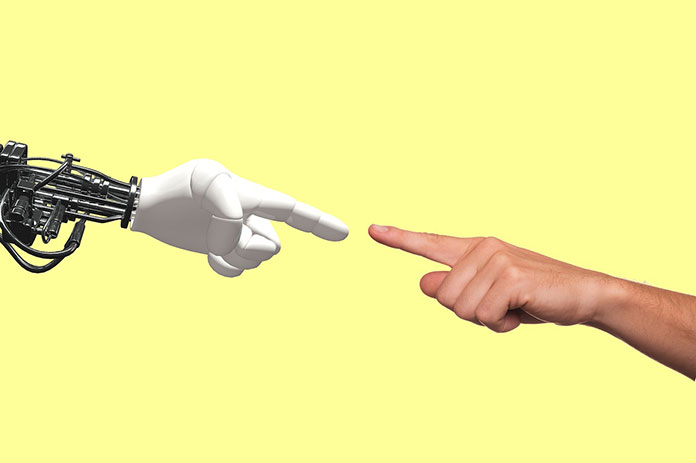

For a long time, India has been the de facto outsourcing destination for many global industries. The service industry and companies in technology see it as a ripe populous country ready to serve the world. As the Fourth Industrial Revolution’s story writes itself, the Asian nation is smack in the middle of it.
Less discussed, however, is the price the country has had to pay for the honor. The burgeoning startup world and the culture of innovation are the obvious outcomes of the country’s tech acceptance. This post will highlight three of the newest technologies today that are impacting India’s societal fabric.
1. Seamless Banking
A new form of internet-enabled banking service that relies on mobile tech has enveloped the Indian banking industry. Gone are the times of filling elaborate documents on paper and long queues in banking halls. India is highly receptive to new age banking technologies, and it is changing a lot more than how money exchanges hands.

Seamless banking is a general name for a series of technologies affecting modern banking. These include eSigns, or electronic signing of documents. The IT Act of India legalized eSigns in 2000, setting the stage for fully electronic transactions.
eMandates and blockchain, also part of seamless banking tech, are also changing how people accept and make payments. Gradually, the concept of money is changing, and it will be interesting to see how this affects lives a decade from now.
2. Virtual Reality (VR)
VR has found extensive applications in India. The military uses it in training, and telecommunication organizations are advocating for its use in learning. If you play casino games, you should also appreciate how this not-so-new tech is impacting gaming and gambling.
For instance, live casino tournaments have become very popular thanks to this technology. You can explore how this works in various games such as poker and live blackjack tournaments on Indiagamblers.com.
The Indian government is investing a lot in developing VR programs and equipment. Axilor Ventures and IDG Ventures India (IDGVI) have been at the forefront of producing world-class VR equipment in India.
There are many ways VR is influencing the Indian culture. Because creators can now design and develop new forms of content, society must adapt to it. When used for education or entertainment, VR is more immersive and delivers content more effectively than video.
3. Intelligent Apps (I-Apps)
The Indian mobile app market is booming. Therefore, it is only expected that when a new app technology comes about, India is among the first to use it. As the name suggests, intelligent apps use artificial intelligence to make the life of its user easier.
Intelligent apps are smarter, more intuitive, and can analyze user history and real-time data to make predictions. There will come a time, soon, that all the apps you run on your device will be Intelligent apps. That time may as well be now if you live in India.
A good example of an intelligent app widely used in India today is RobotBot, a virtual assistant DataBot. ELSA, a smart assistance app that guides the user to learn and speak better English, is also a very useful I-App. If you wish to find out how these apps are changing the world around you, try them out.
Technology is progressive. Societies must adapt to it, not the other way round. India, as a society, is at the forefront of driving technological change around the world. As we embrace the technologies, we must also acknowledge the impacts they have in our societies. This foresight will help us make better decisions to adapt better to tomorrow’s world.


