






Key Points
- Government allocates ₹33,660 crore for 100 industrial parks over six years
- First phase selects 50 parks through competitive challenge-based process
- Minimum land requirement set at 100 acres for non-hilly states, 25 acres for hill regions
The Centre has released operational guidelines for the BHAVYA scheme, a ₹33,660 crore initiative to develop 100 investment-ready industrial parks across the country over six years from 2026-27 to 2031-32.
The Department for Promotion of Industry and Internal Trade (DPIIT) under the Ministry of Commerce and Industry announced the detailed framework on Saturday (23 May). The scheme aims to create world-class manufacturing hubs with ready-to-use infrastructure, reducing the time and cost for businesses to set up operations in India.




By the numbers
Key figures from this story- ₹33,660 crore
- Total scheme outlay over six years
- 100
- Industrial parks to be developed
- 50
- Parks in first phase selection
Under the first phase, up to 50 industrial parks will be selected through a competitive challenge-based process. States and developers will submit proposals evaluated on parameters including multimodal connectivity, site suitability, infrastructure quality and digital governance readiness.
What manufacturers and investors can expect
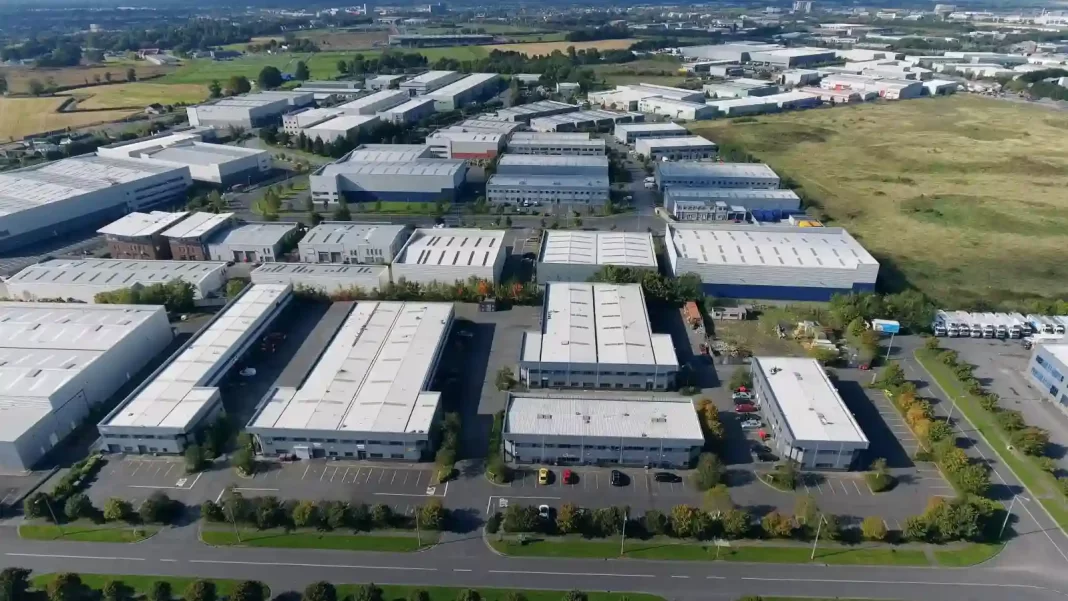
The parks will offer plug-and-play infrastructure — facilities where manufacturers can begin operations immediately without building basic utilities from scratch. This includes underground utility systems, water and waste management, common effluent treatment plants, renewable energy infrastructure and digital single-window clearance systems.
Worker-support infrastructure such as housing, skill development centres and testing laboratories will also be mandatory components, addressing a gap that has deterred investment in many existing industrial zones.
The scheme permits both greenfield parks — built on undeveloped land — and eligible brownfield parks, where existing industrial areas are upgraded. Minimum land requirements have been set at 100 acres for non-hilly states and 25 acres for hilly states, northeastern states, Union Territories and smaller states. Parks up to 1,000 acres may also be considered.
Funding and implementation structure
Each park will be developed through a Special Purpose Vehicle (SPV), a dedicated company incorporated under the Companies Act, 2013. These SPVs will handle project planning, development, operation and long-term maintenance of assets.
The Centre will provide financial assistance as equity contribution linked to the value of land transferred to the SPV and achievement of project milestones. The National Industrial Corridor Development Corporation (NICDC) has been designated as the project management agency for implementation and monitoring.
The guidelines also permit private developers to participate through project-specific SPVs with defined governance frameworks and transparency safeguards.
Alignment with broader manufacturing push
BHAVYA has been designed to support the objectives of Make in India, PM Gati Shakti and the government‘s goal of positioning India as a globally competitive manufacturing destination. The parks will be evaluated on long-term sustainability criteria including renewable energy integration and environmental management systems.
Monitoring will be conducted through GIS-based systems with periodic progress reporting and audit mechanisms. A National Level Steering Committee chaired by the Secretary, DPIIT, will oversee implementation.
The release of these guidelines marks the operationalisation of BHAVYA and the beginning of the selection process for the first phase of industrial parks.
Your Questions, Answered
What is the BHAVYA scheme?
BHAVYA is a Central Sector Scheme with a ₹33,660 crore outlay to develop 100 investment-ready industrial parks across India from 2026-27 to 2031-32. It aims to create plug-and-play manufacturing infrastructure aligned with Make in India objectives.
How will industrial parks under BHAVYA be selected?
Parks will be selected through a competitive challenge-based process. Proposals will be evaluated on multimodal connectivity, site suitability, infrastructure quality, digital governance readiness and long-term sustainability criteria.
What are the land requirements for BHAVYA industrial parks?
Minimum land requirement is 100 acres for non-hilly states and 25 acres for hilly states, northeastern states, Union Territories and smaller states. Parks up to 1,000 acres may also be considered.
Who will implement and monitor the BHAVYA scheme?
Each park will be developed through a Special Purpose Vehicle incorporated under the Companies Act, 2013. The National Industrial Corridor Development Corporation has been designated as the project management agency for implementation and monitoring.


