






Just weeks ahead of the key 16th BRICS Summit meeting in Kazan, between October 22-24, where state leaders from Brazil, Russia, India, China, and South Africa are slated to discuss matters related to economic inclusion among the member countries, India is likely to back any move that may allow the use of local currencies in bilateral trade, albeit in a non-binding manner. The Reserve Bank of India (RBI) has recently maintained that such a move is ‘doable’.
The new economic inclusion plan, which is said to better serve the economic interests of BRICS and reduce its dependency on the US dollar and the euro, may still have a few key fissures, with India not being very keen to conduct transactions between the Chinese yuan and rupee. Economic experts believe that India needs further examination before making any such economic and diplomatic shift as this may further expose its vulnerabilities vis-a-vis China.
Additionally, any such move is likely to dent India’s relations with the West, primarily the US, as it continues to trade oil with Russia against the former’s wishes, which may have long-term implications for the dollar, risking de-dollarisation. Meanwhile, the BRICS Summit in October is also expected to discuss the creation of a common BRICS currency.




According to reports, the Reserve Bank of India has given its go-ahead to the proposed plan to use local payment mechanisms in bilateral trade with Russia, which will help facilitate rupee-rouble trade settlements. The RBI has also termed the plan as ‘doable’ as discussions around its global impact continue.
The BRICS nations are in deliberations to create a common reserve currency backed by a basket of the member countries’ currencies. This move aims not just to safeguard the economic independence of the member nations, but may also help them compete with the West-dominated economic ecosystem in the long term.
A BRICS currency for trade and investment may not only reduce reliance on the US dollar and euro but could push de-dollarisation by reducing dependence on the West’s economic dominance. This could help the BRICS group navigate emerging economic challenges posed by aggressive US foreign policies.
However, the BRICS agenda could have diplomatic ramifications as it challenges the current dollar hegemony, which presently dominates global trade and accounts for about 90% of all currency exchanges worldwide. Before the Russia-Ukraine war broke out in 2022, all global oil trade was conducted in US dollars. This has since shifted somewhat. According to Nasdaq data, in 2023, one-fifth of global oil trade was conducted using non-US dollar currencies.
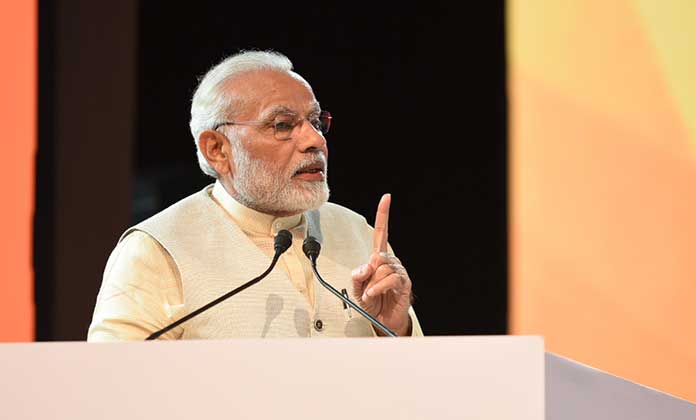
In July, when Prime Minister Narendra Modi met Russian President Vladimir Putin in Moscow, the two leaders agreed to settle trade transactions in national currencies and explore new digital financial instruments for mutual settlements. Following this, senior officials from the RBI and some public sector banks met with their counterparts in Russia to discuss proposed alternative messaging systems for banks. On the back of a steep rise in oil imports from Russia, India-Russia trade in 2023-24 stood at $65 billion. The two countries aim to increase this to $100 billion by 2030.
Following stiff sanctions from the West over its actions in Ukraine, Russia has stepped up efforts to develop alternative payment systems with its trade partners. The Russian SPFS and Mir systems, China’s CIPS, and India’s UPI could together alter the current dominance of the Society for Worldwide Interbank Financial Telecommunication (SWIFT) system. Global researchers believe that new financial payment technology platforms are likely to reduce dollar dominance in the global economy.
The Indian Unified Payments Interface (UPI), launched in 2016, is one of the major emerging financial systems globally. The National Payments Corporation of India-backed UPI is now not just limited to India, but has partnered with global financial institutions including those in France, the United Arab Emirates, and Singapore. Financial experts believe that if UPI continues to expand its operations to more countries, it could be used to bypass the SWIFT banking system.
Russian banks are currently banned from using the Society for Worldwide Interbank Financial Telecommunication (SWIFT) system, a global financial network that enables financial institutions to exchange electronic messages about international transactions, facilitating secure payments. The ban is part of the West’s sanctions against Russia due to the ongoing war in Ukraine.


