






Key Points
- Maldives residents can now send money to India in real time via mobile banking apps
- Bank of Maldives and Maldives Islamic Bank are the first participating institutions
- QR-based merchant payments and additional services planned for subsequent phases
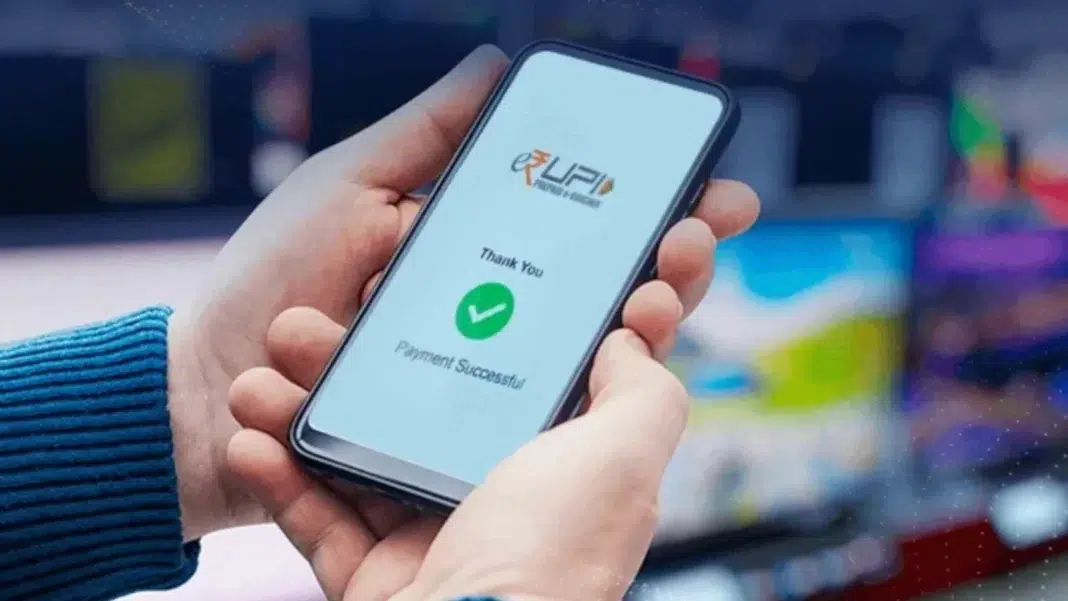
Individuals in the Maldives can now transfer funds in real time to bank accounts in India using the newly operational link between the island nation’s instant payment system and India’s Unified Payments Interface. The Maldives Monetary Authority announced the go-live of the Favara-UPI integration on 30 July 2026, marking the first cross-border payment corridor between the two countries.
Favara, the Maldives’ domestic instant payment system, now connects directly to UPI, India’s real-time interbank payment infrastructure that handles over 10 billion transactions monthly. Customers can initiate transfers in Maldivian Rufiyaa through their mobile banking applications, with funds credited to recipients in Indian Rupees within seconds.


Two local banks, Bank of Maldives Plc and Maldives Islamic Bank Plc, have begun offering the service in this initial phase. Account holders at these institutions can send person-to-person transfers directly to any UPI-enabled bank account in India using the Favara payment rail, a digital infrastructure that enables instant fund transfers between participating banks.
The permitted remittance categories currently include family maintenance payments under both foreign inward and foreign outward remittance rules, according to MMA. Gift-related transfers are also allowed under foreign outward remittance regulations.
Bilateral agreement
The technical foundation for the corridor was laid in July 2025, when NPCI International Payments Limited, the global arm of the National Payments Corporation of India, signed an agreement with MMA to enable the integration. The implementation moved swiftly once development began, with testing, certification, onboarding and live validation completed within a 10-day timeline, MMA said.
The corridor represents a significant step in bilateral economic ties between India and the Maldives. India remains one of the largest sources of tourists to the island nation and a major trading partner.
The payment link addresses a practical need for the thousands of Maldivian residents who have family connections or financial obligations in India, enabling them to send money without relying on traditional remittance channels that typically involve higher fees and longer processing times.
For India, the Maldives corridor adds to UPI’s growing international footprint. The payment system is now accepted in nine countries: Cambodia, Singapore, the United Arab Emirates, France, Mauritius, Nepal, Bhutan, Qatar and Sri Lanka.
These integrations primarily serve Indian travellers making payments abroad, while the Favara link represents a different model that enables inbound remittances to India from overseas residents.
Expansion plans
MMA indicated that subsequent phases of the collaboration will introduce additional payment use cases beyond person-to-person transfers. QR-based merchant payments are planned, which would allow Maldivian visitors to India to pay at shops, restaurants and other establishments by scanning a UPI QR code with their Favara-linked banking application.
The authority also mentioned other digital payment services as part of the roadmap, though specific timelines and details have not been disclosed. Additional banks in the Maldives are expected to join the network as the infrastructure matures and regulatory frameworks are refined.
The Reserve Bank of India and NPCI International worked with MMA and participating financial institutions to establish the technical and compliance framework for the corridor. The collaboration required alignment on anti-money laundering protocols, transaction monitoring systems and currency conversion mechanisms to ensure that cross-border transfers meet regulatory requirements in both jurisdictions.
By the numbers
Key figures from this story- 2 banks
- Maldivian banks offering the service at launch
- 10 days
- Timeline from testing to live validation
- 9 countries
- Nations where UPI is currently accepted
The go-live follows a series of UPI internationalisation efforts by NPCI International over the past three years. The organisation has signed memoranda of understanding with payment operators in multiple countries, though operational integrations have proceeded at varying paces depending on local regulatory approvals and technical readiness.
The Favara corridor’s rapid 10-day implementation timeline from testing to live operation suggests both parties had prioritised the project at a political and regulatory level.
For Maldivian banks, the integration opens a new service line that could attract customers seeking convenient remittance options. Bank of Maldives and Maldives Islamic Bank, as first movers, gain an early competitive advantage in offering India-bound transfers through their existing mobile banking platforms without requiring customers to visit branches or use third-party money transfer services.
Your Questions, Answered
How can Maldives residents send money to India through Favara-UPI?
Customers of Bank of Maldives or Maldives Islamic Bank can initiate person-to-person transfers through their mobile banking applications using the Favara payment rail. Transfers are initiated in Maldivian Rufiyaa and credited to recipients in Indian Rupees in real time.
Which banks in the Maldives currently offer Favara-UPI transfers?
Bank of Maldives Plc and Maldives Islamic Bank Plc are the two participating banks in the initial phase. Additional banks are expected to join as the infrastructure matures.
What types of remittances are permitted through the Favara-UPI corridor?
Permitted categories include family maintenance remittances under both foreign inward and foreign outward remittance rules, as well as gift-related remittances under foreign outward remittance regulations.
Will Favara-UPI expand to include merchant payments?
Yes. The Maldives Monetary Authority has indicated that subsequent phases will introduce QR-based merchant payments and other digital payment services, though specific timelines have not been announced.


