






Key Points
- UIDAI launches Face Authentication for public distribution system beneficiaries
- New SWIK Portal 2.0 enables non-government entities to seek Aadhaar authentication approval
- Revamped UIDAI website supports 13 languages with plan to expand to 23
The Unique Identification Authority of India (UIDAI) launched five new initiatives at a stakeholder conference in Kolkata on Tuesday (29 September), including Face Authentication for the public distribution system that will allow ration beneficiaries to verify their identity without using fingerprints.
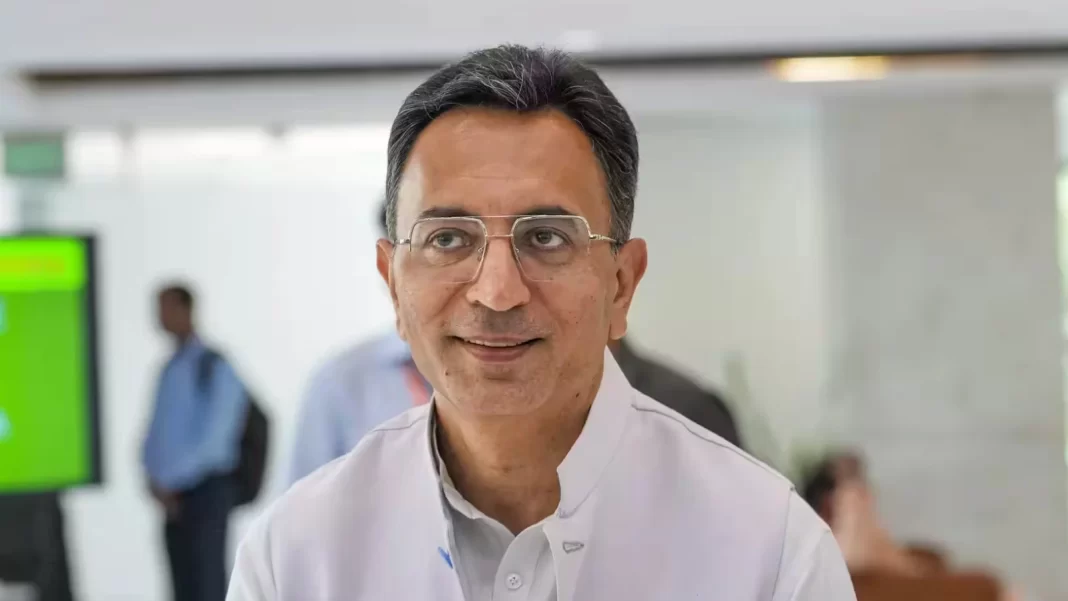
The launches coincided with the 17th Aadhaar Day and were announced at the Aadhaar Samvaad event attended by over 600 policymakers, industry leaders and technology professionals. Jitin Prasada, minister of state for Electronics and Information Technology and Commerce and Industry, was the chief guest.



“Aadhaar is a very critical component for India’s growth story,” Prasada said. “Aadhaar has been instrumental in enhancing service delivery, promoting mass scale financial inclusion, and ensuring that government benefits reach the right people.”
The minister said Aadhaar had transformed access to government services by ensuring transparency, efficiency and inclusivity. He emphasised the importance of staying aligned with emerging technologies and noted that residents of West Bengal would benefit from improved delivery of government initiatives.
Face Authentication
The Face Authentication system for the Electronic Public Distribution System (ePDS), a digital platform that manages the distribution of subsidised food grains to eligible households, was developed jointly by UIDAI, the Department of Food and Public Distribution and the National Informatics Centre. The consent-based, contactless authentication option provides beneficiaries an additional verification method, particularly useful when fingerprint authentication proves difficult due to worn prints or physical limitations.
States and Union Territories can now integrate Face Authentication into their ePDS systems, giving ration card holders a choice of how they verify their identity when collecting their monthly entitlements.
UIDAI CEO Saurabh Vijay, said residents remained central to every action of the authority and its ecosystem. “Throughout the day, we discussed with our stakeholders on issues like expanding usage of Aadhaar, further strengthening authentication ecosystem for good governance, the enrolment and update ecosystem, and challenges and opportunities of emerging technologies,” Vijay said.
Authentication portals
UIDAI also launched SWIK Portal 2.0, which streamlines the approval process for Aadhaar authentication under the Aadhaar Authentication for Good Governance framework. Non-government entities that are eligible can now submit proposals for permissible use cases directly through the portal to the relevant ministry or department, creating a structured approval pathway. The portal is accessible at swik.meity.gov.in.
The Sub-AUA/Sub-KUA (LITE) Framework will enable wider adoption of Aadhaar authentication by government bodies and eligible non-government entities with low-volume requirements. Authentication User Agencies (AUAs) and Know Your Customer User Agencies (KUAs) are organisations authorised to conduct Aadhaar-based verification.
The LITE framework allows smaller entities to use the existing authentication infrastructure of an established AUA or KUA rather than building their own, enabling faster onboarding while maintaining UIDAI security and privacy requirements.
A new Token Management System was also unveiled to simplify the process for residents visiting state and regional UIDAI offices for services.
Website redesign
Prasada unveiled a redesigned UIDAI website built around four primary user needs: understanding Aadhaar, accessing services, finding documents and seeking assistance. The website has been aligned with Aadhaar brand guidelines to create visual consistency across the UIDAI website, the myAadhaar portal and the Aadhaar mobile application.
By the numbers
Key figures from this story- 600+
- Stakeholders at Aadhaar Samvaad event
- 13
- Languages supported on new UIDAI website
- 23
- Planned language support for website
Accessibility features include screen-reader compatibility, adjustable font sizes, improved colour contrast and keyboard navigation, designed to make Aadhaar services more inclusive for persons with disabilities. The website currently supports 13 languages, including English and Hindi, through BHASHINI integration. UIDAI said it plans to expand language support to 23 languages.
The revamped website also introduces a Career Portal for online applications to deputation opportunities within UIDAI.
Vivek C Verma, deputy director general, UIDAI, said in his welcome address that Aadhaar continued to evolve with changing digital requirements. “New technologies, new forms of service delivery and stronger emphasis on privacy, security and resident convenience are shaping its next chapter,” Verma said.
Your Questions, Answered
What is Face Authentication for ePDS?
Face Authentication is a consent-based, contactless option for ration beneficiaries to verify their identity when collecting subsidised food grains. It provides an alternative when fingerprint authentication is difficult.
Who can use the SWIK Portal 2.0?
Eligible non-government entities can use SWIK Portal 2.0 to submit proposals for Aadhaar authentication directly to relevant ministries under the Aadhaar Authentication for Good Governance framework.
What is the Sub-AUA/Sub-KUA LITE Framework?
The LITE Framework allows government and eligible non-government entities with low-volume authentication needs to use existing AUA/KUA infrastructure rather than building their own, enabling faster onboarding.
How many languages does the new UIDAI website support?
The redesigned UIDAI website currently supports 13 languages including English and Hindi through BHASHINI integration. UIDAI plans to expand this to 23 languages.


