





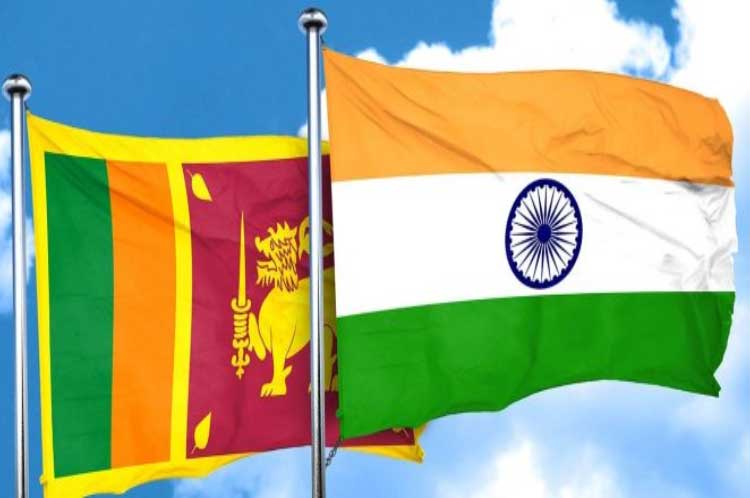

Even as China continues to maintain its stronghold in the Indian neighbourhood by pumping in investments in Sri Lanka, India and Lanka have extended their existing science & technology cooperation for three more years with a focus on new areas like waste-water technologies, biotech, sustainable agriculture, aerospace engineering, robotics, big data analytics and artificial intelligence.
The two countries also reviewed the ongoing collaborative activities in the nine areas spanning food technology; plant-based medicines, meteorology, space research & applications, industrial electronics, renewable energy, waste management, information and communication technology, and discussed their future activities at the India-Sri Lanka 5th Joint Committee on Science and Tech Cooperation, held virtually.
“India and Sri Lanka have a great legacy of intellectual, cultural, and religious interaction and relationship of more than 2500 years old. Trade and investment and cooperation in education and other sectors have gone up in recent times, and in this line, cooperation in S&T becomes very critical,” said S K Varshney, advisor and head, International Cooperation, department of science and technology (DST), who led the Indian delegation.





