





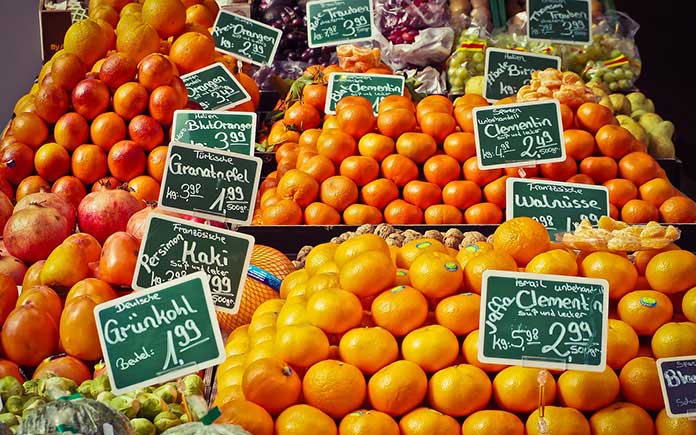

Cross-industry collaboration has emerged as the dominant model for successful applications of blockchain to food supply chains. However, most initiatives are in their early stages, and long-term success depends on overcoming several challenges and limitations, said a report.
“Blockchain has several characteristics that make it suitable for managing supply chains, including its ability to provide supply chain producers, distributors, retailers and consumers with equal and transparent access to the same stored information. Food supply chain information stored in a blockchain could include the origin or quality of a particular product and the manner in which it was transported and stored,” said Chris Drake, Principal Technology Analyst at GlobalData.
In addition to providing greater visibility into the contracts and connections that make-up complex food supply chains, blockchain allows producers and retailers to guarantee the originality and quality of products, while helping with efforts to identify fraud and illegality within the food chain and facilitating the tracking and recall of defective or contaminated goods.

‘‘Early applications of blockchain to food supply chains suggest that cross-industry collaboration is becoming the norm, with specific initiatives bringing together IT leaders, technology start-ups, food retailers, NGOs and systems integrators,” said Drake.
From coffee and fish to wine and olive oil, blockchain, a digital ledger technology, is being applied to global food supply chains in ways that promise to benefit producers, distributors, retailers and consumers, said GlobalData.
In early October IBM officially launched its blockchain-based food tracking network ‘Food Trust’, whose partners include major food retailers such as Carrefour, Nestle, Dole, and Unilever.
‘‘Despite early apparent successes, the application of blockchain to food supply chains faces several hurdles, including the persistence of entrenched industry interests; potentially prohibitive deployment and operating costs; and the challenge of verifying the authenticity of the data supplied to the blockchain,” said Drake.


