At present, cloud-based businesses worth about $13 million in Bangladesh per year. In the next three to five years, the scope of cloud-based business in Bangladesh will increase by another 20 to 25 percent
Dhaka — At present, cloud-based businesses worth about $13 million in Bangladesh per year. In the next three to five years, the scope of cloud-based business in Bangladesh will increase by another 20 to 25 percent.
In addition, the global freelance market has about $8 1.8 million worth of cloud services, said Zunaid Ahmed Palak, state minister for Information and Communication Technology (ICT).
He was addressing at the inaugural function of the free Microsoft Cloud Skills Training Program jointly by Bangladesh Hi-Tech Park Authority and Corporate Technology Limited.
Advertisement
EVENT
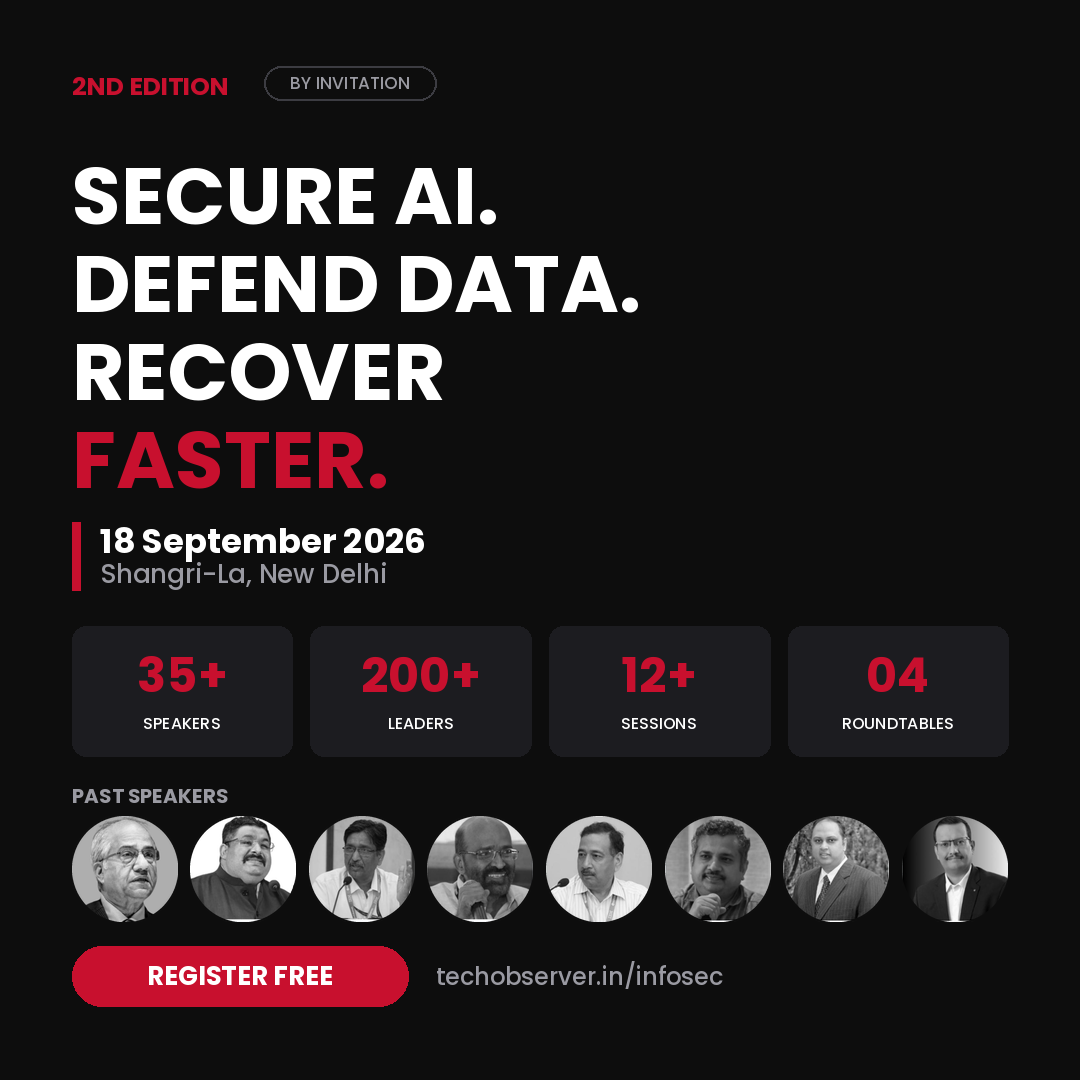
Infosec Reimagined
Infosec Reimagined 2026 is the premier information security summit where top leaders—CISOs, CROs, CIOs, CTOs and risk executives—converge to redefine cyber resilience.
Digital Senate is a premier conference uniting government leaders, technologists and innovators to share ideas, success stories and strategies on digital governance, public sector transformation, cybersecurity and emerging technologies in India.
CIO Prism unites forward-thinking technology leaders to exchange transformative insights, shape digital strategies, and foster innovation, empowering enterprises to excel in an era of rapid technological change.
Inaugurating the virtual training program, the state minister said about 10,000 professionals are currently working in the cloud-based service sector in Bangladesh and another 10,000 jobs will be created in the next three to five years.
Hosne Ara Begum, Managing Director (Secretary) of Hi-Tech Park Authority presided over the function.
Tech Observer Desk at TechObserver.in is a team of technology reporters led by a senior editor who brings latest updates and developments from the world of technology.
Thoughtworks Principal Cybersecurity Engineer Lilly Ryan says that AI is amplifying existing cyberattacks rather than creating entirely new threats, forcing enterprises to rethink whether their security operations can respond at the speed of increasingly automated attacks.