






Key Points
- CRM platforms now surface next steps before users search for them
- AI handles pattern recognition while humans retain relationship judgement
- Trust and governance determine whether proactive CRM succeeds or fails
By Alok Anibha
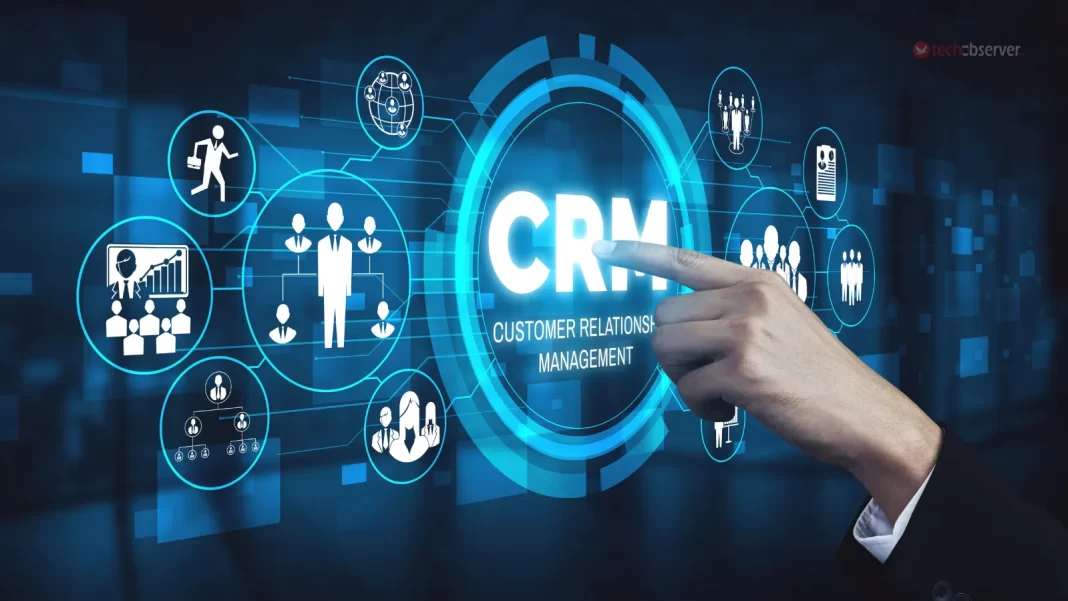
For most of its history, CRM has been the place where customer information goes to be filed. Contacts, deal stages, support tickets, call notes; all of it lives there, dutifully logged, waiting for someone to open the record and make sense of it. It’s the closest thing most businesses have to institutional memory.

But memory isn’t the same as initiative. A CRM can tell you everything that’s already happened and still leave you to figure out, on your own, what to do next. A rep decides when a lead has gone cold enough to warrant a follow-up. A support manager scans a queue and decides which tickets are actually urgent. None of that judgement comes from the system itself; it comes from a person, using the CRM as a reference point rather than a collaborator.
That’s starting to shift, and it’s worth pausing on what’s actually changing, because it’s easy to wave at “AI in CRM” without saying anything concrete.
Why the old model is straining
CRM earned its place in the business not because companies love data entry, but because customer information touches everything: who to call next, what to sell, when to renew, and when to worry. The problem is that the sheer volume of customer contact has outgrown what any team can reasonably track by hand.
A single customer might touch a company through a phone call, three emails, a chat widget, and a tweet, all within a week. Expecting a person to hold all of that in their head and respond appropriately, in real time, is asking a lot.
This is the gap AI is stepping into. Instead of a system that only answers questions when asked, CRM platforms are starting to notice things on their own; a deal stalling, a customer using language that signals frustration, or a lead that looks a lot like the last five that closed; and surface a next step before anyone had to go looking for one.
That’s a genuinely different relationship between the tool and the person using it. It’s less filing cabinet, more colleague who actually reads the file before the meeting.
From having the data to acting on it
The interesting shift isn’t that more data is available, it’s that the system is starting to do something with it before being asked. A CRM that flags a high-intent lead the moment it appears, drafts a follow-up in a rep’s usual tone, or hands a support agent a short summary of everything that’s happened with an account so far is doing something categorically different from just storing a record of the account.
Voice and conversational AI are pushing this further. Calls and chats can now be turned into structured, usable insight without someone manually writing it all up afterward, which means the CRM keeps getting richer even when nobody’s explicitly feeding it.
The point of all this isn’t automation for its own sake. It’s that decisions get made closer to the moment they’re needed, instead of a week later during a pipeline review.
Where judgement still has to live with a person
None of this means CRM is on a path to running itself, and it probably shouldn’t be. AI is very good at noticing patterns and handling repetitive work. It’s much shakier at reading a relationship, knowing when a customer needs patience rather than a discount, or when a “next best action” is technically correct but tone-deaf given everything else going on with that account.
The teams getting real value out of this aren’t the ones handing the keys over. They’re the ones using AI to do the noticing and the first draft, while a person still decides what actually goes out the door. AI recommends; someone with context signs off. That division of labour is doing more work than any of the automation itself.
A more responsive kind of business, not just a more efficient one
There’s a broader change happening underneath all this, too. Customers have gotten used to fast, personal responses, and reviewing everything after the fact; closing the loop a day or two late; doesn’t really cut it anymore.
A CRM that can act while something is still happening, rather than reporting on it afterward, changes what a sales or support team is actually capable of: catching a prospect at the right moment, resolving a problem before it turns into a complaint, and making a leadership call based on what’s happening right now instead of last quarter’s dashboard.
At that point CRM stops sitting quietly underneath the business and starts actively shaping how the business runs day to day.
What actually determines whether this goes well
The next stretch of enterprise software won’t be won by whoever stores the most data. It’ll be won by whoever turns that data into something useful fast enough to matter. CRM is clearly heading toward being more context-aware, more proactive, and more willing to suggest or take the next step on its own.
But none of that works if people stop trusting it. If a system starts acting on a business’s behalf, it has to be legible: people need to understand why it did what it did, and there has to be a way to catch it when it gets something wrong. That’s not a technology problem so much as a governance one, and it’s the part that’s easy to skip past in the excitement over what AI can now do.
The shift from record-keeper to active participant is already underway. The companies that take the trust question as seriously as the capability question are the ones that will actually benefit from it; the rest will just have a faster filing cabinet.
The author is Founder, Girikon.AI. Views are personal.


