






Key Points
- Xi proposes China lead BRICS open-source AI community and LLM development
- China established WAICO in Shanghai with 29 countries as founding signatories
- Proposals include digital cloud platform, smart factories and engineer alliance
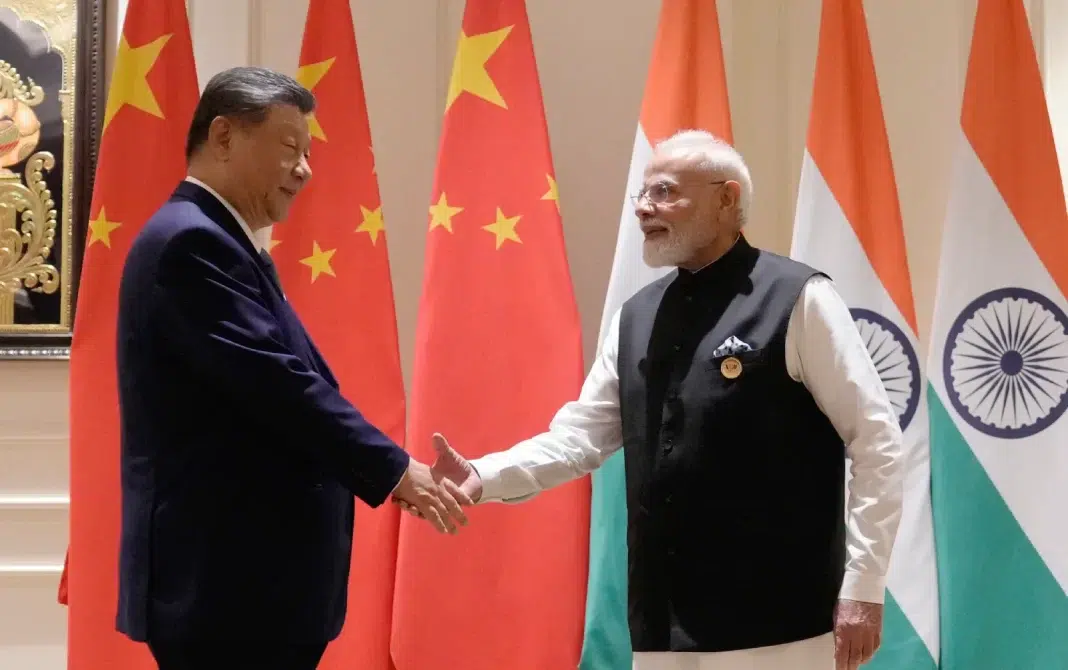
Chinese President Xi Jinping has proposed that China lead the establishment of an open-source artificial intelligence community for BRICS nations, offering to drive joint development of large language models and create a digital cloud platform for member countries.
Speaking at the 18th BRICS Summit in New Delhi, Xi outlined a comprehensive technology cooperation framework that would position Chinese AI infrastructure, standards and training programmes at the centre of the bloc’s digital development efforts.


The proposals cover AI model development, specialised training courses, intelligent manufacturing and a new engineer cultivation alliance.
The initiative comes as China seeks to expand its technology influence across developing economies, moving beyond competition on individual AI products to building an interconnected system where Chinese computing resources, applications and technical standards become embedded in partner countries’ digital infrastructure.
AI and digital proposals
Xi proposed that China support the joint development and application of large language models, which are AI systems trained on vast amounts of text data to understand and generate human-like language. These models power applications ranging from chatbots to document analysis and are increasingly central to enterprise technology strategies.
The Chinese president also called for establishing specialised AI seminars and training courses for BRICS member countries. This follows his announcement in July at a Shanghai conference where he unveiled international AI application cooperation centres with BRICS, ASEAN, the African Union, the Arab League and other regional groupings.
China has separately established the World Artificial Intelligence Cooperation Organization (WAICO) in Shanghai, with 29 countries signing its founding agreement. Beijing has presented the organisation as a mechanism to help Global South countries build AI capacity and participate in global AI governance, framing it as an alternative to Western-led technology frameworks.
On digital infrastructure, Xi proposed a BRICS digital cloud platform combined with digital skills training, technological exchange and what he termed industrial alignment to jointly enable the development of the digital economy across member states.
The manufacturing component of Xi’s proposals includes Chinese assistance to BRICS countries in building smart factories and developing shared standards and norms. “China stands ready to assist fellow BRICS countries in building smart factories and developing standards and norms to jointly promote manufacturing transformation and upgrading,” the Chinese foreign ministry stated.
For workforce development, Xi proposed a BRICS engineer cultivation alliance focused on joint development of engineers and mutual recognition of competency standards across member countries. “China will launch a BRICS youth exchange program for scientific and technological innovation to cultivate more high-caliber talent,” Xi said.
By the numbers
Key figures from this story- 29 countries
- WAICO founding agreement signatories
- 18th
- BRICS Summit edition held in New Delhi
The trade facilitation component includes a proposed BRICS special economic zone partnership, under which countries would establish an intelligent portal, coordinate policies and create what Xi described as a new frontier for open development. “In an effort to cultivate new drivers of economic and trade cooperation, China will hold the BRICS Forum on Trade in Services next year,” Xi said.
The proposals push comes as India pursues its own AI development strategy through the IndiaAI Mission, which aims to build domestic computing infrastructure and develop Indian language models. New Delhi has sought to balance participation in multilateral technology frameworks while maintaining strategic autonomy in critical technology sectors.
For BRICS members including India, Brazil, South Africa and newer entrants such as Saudi Arabia, Iran and the UAE, the Chinese proposals present both opportunities for technology access and questions about dependency on Chinese technical standards and infrastructure.
Your Questions, Answered
What AI initiatives did Xi Jinping propose at the BRICS summit?
Xi proposed China lead an open-source AI community for BRICS, support joint development of large language models, conduct AI training courses, establish a digital cloud platform and assist member countries in building smart factories.
What is the World Artificial Intelligence Cooperation Organization?
WAICO is a China-established organisation based in Shanghai with 29 founding member countries. Beijing presents it as a mechanism to help Global South countries build AI capacity and participate in global AI governance.
What workforce development did China propose for BRICS?
China proposed a BRICS engineer cultivation alliance for joint development of engineers with mutual recognition of competency standards, plus a youth exchange programme for scientific and technological innovation.
How does this affect India's AI strategy?
India is pursuing its own AI development through the IndiaAI Mission. The Chinese proposals present opportunities for technology access but raise questions about dependency on Chinese technical standards and infrastructure.


