




HomeLatest NewseHealthZeiss Medical Tech launches Intrabeam 600 to test breast cancer

Zeiss Medical Tech launches Intrabeam 600 to test breast cancer

Zeiss has installed more than 350 Intrabeam devices across the world and the first one in India is now available at the Fortis Cancer Institute, Bengaluru.
Preferred Source of Google

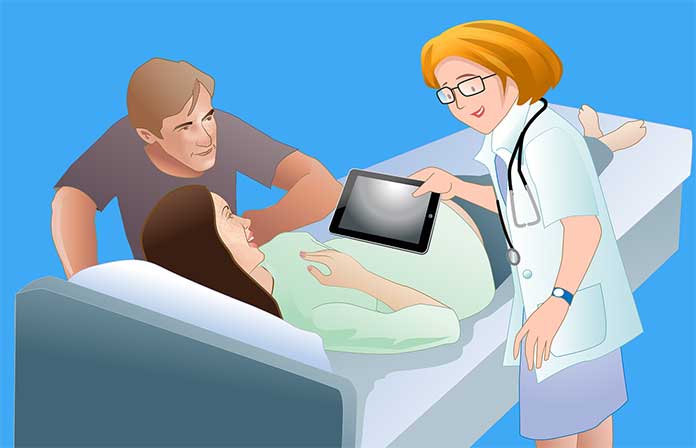
Global health leader in ophthalmology and microsurgery, Zeiss Medical Technology has announced to launch of a new device to treat breast in India. According to the company, its new device Intrabeam 600 would provide Intraoperative Radiation Therapy (IORT) in India.

“The device offers the least disruptive treatment method available to patients diagnosed with early-stage breast cancer,” the company said.

So far, Zeiss has installed more than 350 Intrabeam devices across the world and the first one in India is now available at the Fortis Cancer Institute, Bengaluru.

Advertisement
Infosec Reimagined
Infosec Reimagined
Infosec Reimagined 2026 is the premier information security summit where top leaders—CISOs, CROs, CIOs, CTOs and risk executives—converge to redefine cyber resilience.
Register Now →
Digital Senate
Digital Senate
Digital Senate is a premier conference uniting government leaders, technologists and innovators to share ideas, success stories and strategies on digital governance, public sector transformation, cybersecurity and emerging technologies in India.
Register Now →
CIO Prism
CIO Prism
CIO Prism unites forward-thinking technology leaders to exchange transformative insights, shape digital strategies, and foster innovation, empowering enterprises to excel in an era of rapid technological change.
Register Now →
National DefTech Summit
Featuring keynotes, expert panels, live tech demos and strategic networking, the summit will drive actionable insights for defence sector.
Register Now →
Future-Ready Defence
A Leadership Dialogue on sovereign, trusted data infrastructure, AI readiness and mission resilience for Defence Forces.
Register Now →

“The Intrabeam 600 device is a major breakthrough in the treatment of early-stage breast cancer in . But that’s not all. Zeiss Medical Technology is committed to working for the advancement of microsurgery, promoting research and innovation to democratize and ease the treatment of fatal diseases like cancer,” ZEISS Medical Technology Strategic Business Unit Head Microsurgery Amarjeet Singh Tak said in a statement.

The IORT procedure available through Intrabeam 600 takes around 45 minutes to complete one session during the surgery. A single dose of intraoperative radiotherapy given after the removal of the tumor has significantly better outcomes as compared to whole breast radiotherapy, the company stated.

The company is also investing 10 million Euros annually in CARIn (Center for Advance Research in India) as it launches the IORT Innovation Lab to boost cancer research in India.

Advertisement

The IORT lab will be the center of innovation and experimentation to develop solutions to make IORT technology more affordable and provide better outcomes to patients.

CARIn, currently has 170 software and automation engineers, data scientists, clinical and quality specialists who are working on innovative solutions to advance microsurgery.

“Our in CARIn and the launch of IORT Lab is a big step towards boosting our research and innovation capabilities here in India,” Tak noted.

Advertisement

NEWSLETTERThe Daily BriefingThe day's top enterprise technology stories, curated by our editors. Monday to Friday.

Free. One-click unsubscribe anytime. We never share your email.

Tech Observer Desk
Tech Observer Desk
Tech Observer Desk at TechObserver.in is a team of technology reporters led by a senior editor who brings latest updates and developments from the world of technology.
Advertisement
- Advertisement -
- Advertisement -

AI is speeding up existing cyberattacks, not creating ‘magic AI malware’, says Thoughtworks’ Lilly Ryan

Thoughtworks Principal Cybersecurity Engineer Lilly Ryan says that AI is amplifying existing cyberattacks rather than creating entirely new threats, forcing enterprises to rethink whether their security operations can respond at the speed of increasingly automated attacks.

RELATED ARTICLES