




HomeLatest NewseHealthNITI Aayog releases ‘Vision 2035’ for public health surveillance

NITI Aayog releases ‘Vision 2035’ for public health surveillance

Preferred Source of Google

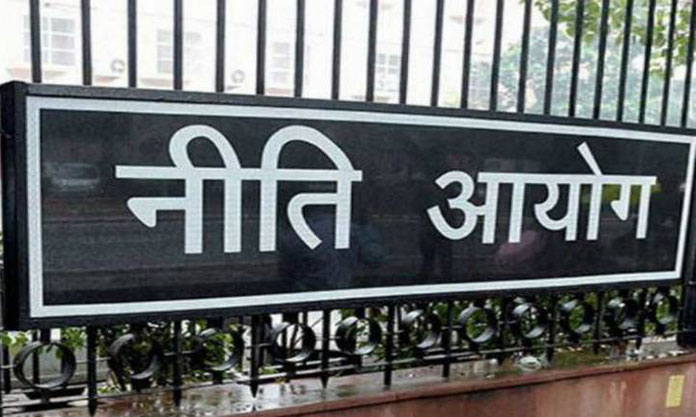
NITI Aayog recently released a white paper ‘: Public Health Surveillance in India’ that talks about having a better -sharing mechanism between the Centre and states, while ensuring individual privacy and confidentiality.

“The has provided us with an opportunity to revisit (re)-emerging diseases due to increased interaction between human-animal-environment. Early identification of this interference is essential to break the chain of transmissions and create a resilient surveillance system,” said an official statement.

Released by Dr Rajiv Kumar, Vice Chairman, NITI Aayog; Dr Vinod K Paul, Member (Health); CEO, NITI Aayog and Dr Rakesh Sarwal, Additional Secretary, NITI Aayog, the document envisions a citizen-friendly public health system, which will involve stakeholders at all levels, be it individual, community, health care facilities or laboratories, all while protecting the individual’s privacy and confidentiality.

Advertisement
Infosec Reimagined
Infosec Reimagined
Infosec Reimagined 2026 is the premier information security summit where top leaders—CISOs, CROs, CIOs, CTOs and risk executives—converge to redefine cyber resilience.
Register Now →
Digital Senate
Digital Senate
Digital Senate is a premier conference uniting government leaders, technologists and innovators to share ideas, success stories and strategies on digital governance, public sector transformation, cybersecurity and emerging technologies in India.
Register Now →
CIO Prism
CIO Prism
CIO Prism unites forward-thinking technology leaders to exchange transformative insights, shape digital strategies, and foster innovation, empowering enterprises to excel in an era of rapid technological change.
Register Now →
National DefTech Summit
Featuring keynotes, expert panels, live tech demos and strategic networking, the summit will drive actionable insights for defence sector.
Register Now →
Future-Ready Defence
A Leadership Dialogue on sovereign, trusted data infrastructure, AI readiness and mission resilience for Defence Forces.
Register Now →

According to the white paper, surveillance will be primarily based on de-identified (anonymised) individual-level patient information that emanates from health care facilities, laboratories and other sources. It will be governed by an adequately resourced effective administrative and technical structure and will ensure that it serves the public good.

This vision document on India’s Public Health Surveillance by 2035 builds on opportunities that include the Ayushman Bharat scheme that establishes health and wellness centres at the community level — to strengthen non-communicable disease prevention, detection, and control and assures government payment for hospitalisation – to reduce out of pocket expenses of individuals and families at the bottom of the pyramid.

NEWSLETTERThe Daily BriefingThe day's top enterprise technology stories, curated by our editors. Monday to Friday.

Free. One-click unsubscribe anytime. We never share your email.

Tech Observer Desk
Tech Observer Desk
Tech Observer Desk at TechObserver.in is a team of technology reporters led by a senior editor who brings latest updates and developments from the world of technology.
Advertisement
- Advertisement -
- Advertisement -

AI is speeding up existing cyberattacks, not creating ‘magic AI malware’, says Thoughtworks’ Lilly Ryan

Thoughtworks Principal Cybersecurity Engineer Lilly Ryan says that AI is amplifying existing cyberattacks rather than creating entirely new threats, forcing enterprises to rethink whether their security operations can respond at the speed of increasingly automated attacks.

RELATED ARTICLES
