






Key Points
- Government to establish AVGC labs in 15,000 schools and 500 colleges under Budget 2026-27
- MERITE scheme allocates ₹4,200 crore to improve 275 technical institutions across all states
- PM USHA extended to March 2028 with total outlay of ₹12,926 crore for higher education
The government will establish Animation, Visual Effects, Gaming and Comics (AVGC) content creator labs in 15,000 secondary schools and 500 colleges across India under the Union Budget 2026-27, the Ministry of Education confirmed in Parliament on Monday.
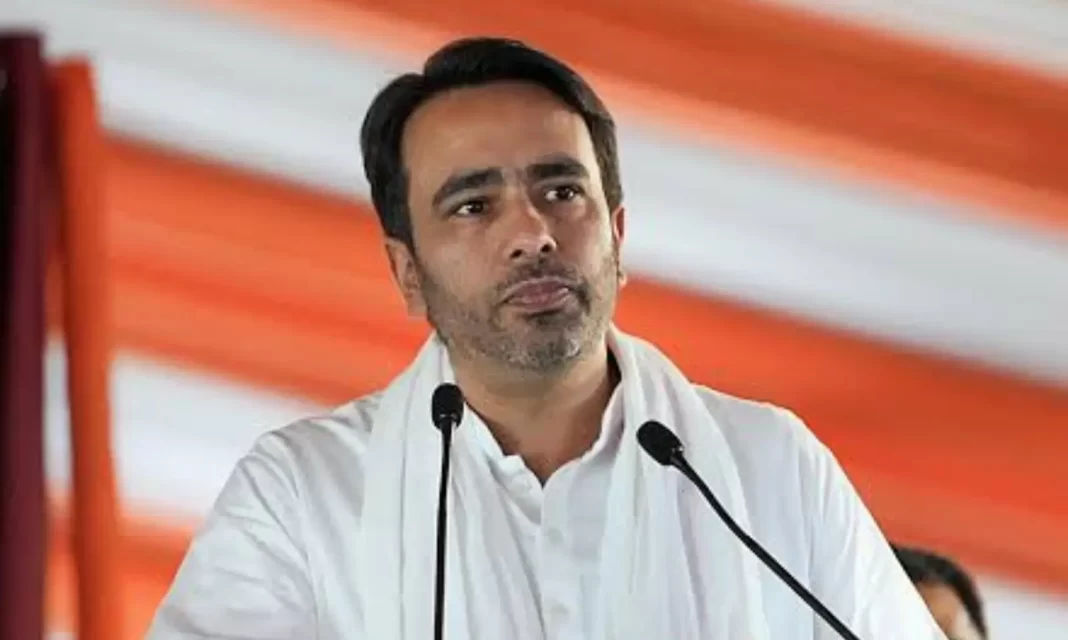
The labs, to be set up in collaboration with the Indian Institute of Creative Technologies (IICT) Mumbai, aim to equip students with industry-relevant skills in the AVGC sector — a rapidly growing segment that includes animated films, video game development, visual effects for cinema and digital comics production. Minister of state for education Jayant Chaudhary provided these details in a written reply in Lok Sabha.



The government has also launched MERITE (Multidisciplinary Education and Research Improvement in Technical Education), a scheme with a total outlay of ₹4,200 crore to improve the quality, equity and governance in 275 technical institutions. All states and union territories, including Andhra Pradesh, Chhattisgarh and Himachal Pradesh, are part of this scheme, according to the ministry’s statement.
Separately, the Prime Minister Research Chair (PMRC) scheme supports researchers and professionals of Indian origin with experience outside India. The scheme covers three categories: Young Research Fellows requiring up to five years of post-doctoral experience, Senior Fellows with five to ten years of experience and Research Chairs with more than ten years. The scheme spans 13 thematic areas of engineering, science and technology, with details available at the PMRC portal.
Broadband for rural schools
In Budget 2025, the government announced broadband connectivity for all government secondary schools in rural areas under the BharatNet project implemented by BSNL. This includes 1,416 government rural secondary schools in Gujarat, with rollout planned in a phased manner.
Digital education initiatives including PM eVidya and DIKSHA continue under the Samagra Shiksha scheme, covering government schools across the country including rural, remote and tribal areas such as the Aravalli and Sabarkantha districts of Gujarat. The PM eVidya initiative, launched on 17 May 2020 as part of Atma Nirbhar Bharat Abhiyaan, unifies all digital, online and on-air education efforts to enable multi-mode access across the country.
The initiative operates 200 DTH television channels and 400 radio channels providing supplementary education in various Indian languages for classes 1 to 12. Gujarat has been allotted five dedicated channels under this programme.
The third phase of Rashtriya Uchchatar Shiksha Abhiyan (RUSA), now called Pradhan Mantri Uchchatar Shiksha Abhiyan (PM USHA), was launched in June 2023 with an outlay of ₹12,926.10 crore including committed liabilities from earlier phases. The scheme, initially covering 2023-24 to 2025-26, has been extended to 31 March 2028 for completion of PM USHA projects and to 30 September 2026 for ongoing RUSA projects.
The scheme supports several components: Multi-Disciplinary Education and Research Universities (MERU), Grants to Strengthen Universities (GSU), Grants to Strengthen Colleges (GSC), New Model Degree Colleges (NMDC) and Gender Inclusion and Equity Initiatives (GIEI).
In Andhra Pradesh, 33 units have been approved for support under PM USHA for a total of ₹378.74 crore, including ₹100 crore to Sri Padmavathi Mahila Visva Vidyalayam, Tirupathi under the MERU component. In Maharashtra, 144 projects worth ₹1,431.31 crore have been approved under RUSA, including 61 projects under PM USHA amounting to ₹814.24 crore.
By the numbers
Key figures from this story- 15,500
- Schools and colleges to receive AVGC labs
- ₹4,200 crore
- MERITE scheme outlay for technical institutions
- ₹12,926 crore
- PM USHA funding for higher education
Under the MERU component, universities are required to implement the National Credit Framework (NCrF) — a system that assigns standardised credit values to learning across different institutions — and the Choice Based Credit System along with the Academic Bank of Credits, which allows students to store and transfer academic credits between institutions.
Teacher training under NISHTHA
The NISHTHA (National Initiative for School Heads’ and Teachers’ Holistic Advancement) programme aims to enhance professional competencies of teachers and school leaders across India. The programme operates through face-to-face, online and blended training modes on the DIKSHA platform across all states and union territories including Gujarat.
Under Samagra Shiksha, states receive funds for setting up ICT labs and smart classrooms based on requirements submitted in their Annual Work Plan and Budget. States collaborate with NCERT to utilise, monitor and evaluate these digital initiatives according to their requirements.
Your Questions, Answered
What are AVGC labs and where will they be set up?
AVGC labs are content creator labs for Animation, Visual Effects, Gaming and Comics. The government will establish them in 15,000 secondary schools and 500 colleges across India under Budget 2026-27, in collaboration with the Indian Institute of Creative Technologies Mumbai.
What is the MERITE scheme and how much funding does it have?
MERITE stands for Multidisciplinary Education and Research Improvement in Technical Education. It has a total outlay of ₹4,200 crore to improve quality, equity and governance in 275 technical institutions across all states and union territories.
What is PM USHA and when does it end?
PM USHA (Pradhan Mantri Uchchatar Shiksha Abhiyan) is the third phase of RUSA with an outlay of ₹12,926.10 crore. It has been extended to 31 March 2028 for PM USHA projects and 30 September 2026 for ongoing RUSA projects.
Which schools will receive broadband connectivity under BharatNet?
All government secondary schools in rural areas will receive broadband connectivity under the BharatNet project implemented by BSNL. This includes 1,416 government rural secondary schools in Gujarat, with phased rollout planned across the country.


