





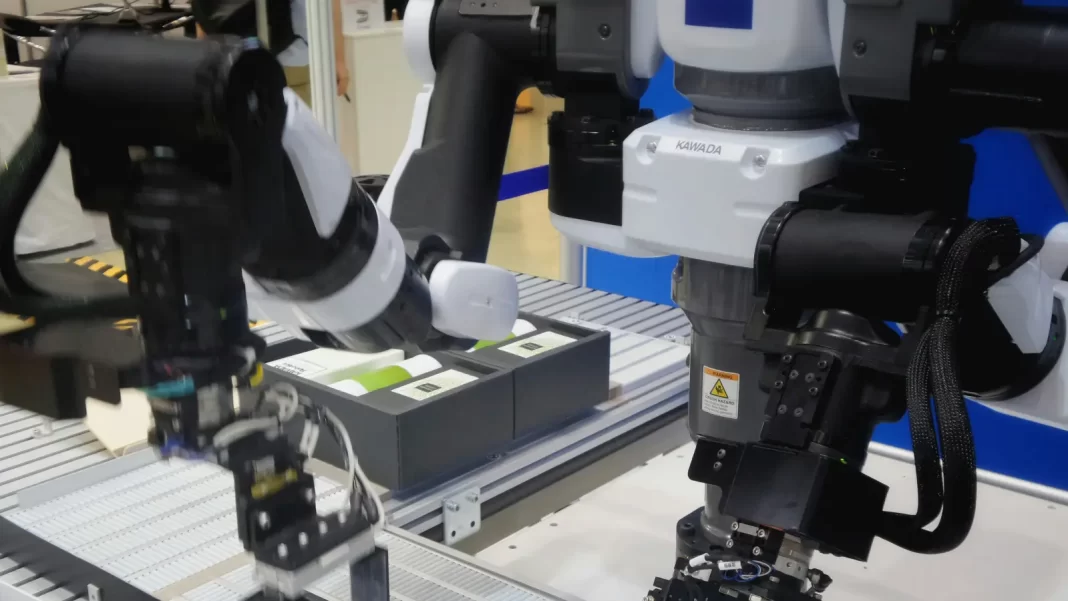

In 2026, the performance difference between a manually operated warehouse and an automated one is not incremental – it is structural. Companies embracing robot-powered systems have been seeing order fulfillment speeds increase by 300%, accuracy rates hitting 99% and labor costs dropping by as much as 30%.
Those are not pilot program numbers. They are operational benchmarks from warehouses that have completed full automation cycles. For logistics managers and operations leaders evaluating where to invest, the question is no longer whether to automate, but which systems to prioritize and in what sequence.
What Robotic Picking Systems Actually Do
Automated warehouse picking dramatically reduces travel time and manual handling. Robots and ASRS systems pick and deliver goods faster than humans, enabling continuous operation even during overnight shifts. Batch and cluster picking algorithms, combined with advanced conveyors, streamline workflows and minimise downtime. Automated warehouse picking can enable pick and pack speeds up to ten times faster than traditional methods.



The key technologies driving this performance break into several distinct categories. Goods-to-Person systems reverse the traditional workflow by bringing inventory to stationary operators rather than sending workers through aisles. G2P solutions include vertical lift modules and robotic shuttle systems that retrieve totes or bins – critical for high-velocity e-commerce operations requiring speed and precision.
Robotic piece-picking goes one step further, removing the human from the final pick entirely. A well-designed pick-and-place system can handle over 200 items per hour per robot with sub-millimeter accuracy. For operations handling high SKU variety – consumer goods, pharmaceutical distribution, multi-channel retail – this level of precision at speed is transformative.
AI and Vision Systems: The Intelligence Layer
The hardware is only part of the story. What separates 2026’s robotic picking systems from earlier generations is the intelligence layer running on top of them.
AI-powered end-of-arm tooling now self-adjusts based on product weight or shape, making it essential for variable SKU environments. MIT research has yielded SimPLE, a model allowing robots to execute pick-and-place tasks using only CAD files, eliminating the need for labor-intensive, item-specific training. Robots simulate grip points, paths, and placement logic based on a part’s 3D design.
This shift matters operationally. Warehouses that previously needed weeks of robot training for each new SKU can now onboard new products in hours. For retail and e-commerce operations with constantly changing inventory, that flexibility is a competitive differentiator.
Collaborative robots, or cobots, are increasingly being used to work alongside human workers, enhancing productivity while minimizing risks. Micro-fulfillment centers and scalable solutions are expected to revolutionize warehouse operations as the global market value for warehouse automation continues its rapid growth trajectory.
From Picking to Palletizing: The Full Automation Chain
Robotic picking is one node in a larger automated chain. Once items are picked, sorted, and packed, the final step – palletizing – determines how efficiently outbound logistics can operate. This is where the performance gains of upstream automation can either compound or bottleneck.
A robot palletizer addresses exactly this: consistent, high-speed stacking of finished goods onto pallets with precision that manual palletizing cannot match at scale. In high-throughput environments, the integration of robotic picking with automated palletizing closes the loop – from inbound inventory to outbound pallet, the product flow becomes continuous, measurable, and largely independent of labor availability.
Implementation: ROI and What to Expect
Most companies achieve ROI within 12 to 24 months after implementation. Scalable solutions like pick-to-light or voice picking can be implemented gradually, making automation accessible even for smaller operations.
The sequencing of investment matters. Operations that begin with the highest-volume, most repetitive tasks – typically goods-to-person retrieval or end-of-line palletizing – see the fastest returns. Those that attempt to automate everything simultaneously often struggle with integration complexity.
Automation elevates warehouse employees’ role by enabling them to perform more nuanced tasks, such as system oversight, maintenance and data analysis, instead of spending their time on manual labor. Comprehensive training and regular upskilling programs prepare employees for the transition.
The workforce dimension is real but manageable. Operations that communicate the transition clearly and invest in retraining typically retain experienced staff in higher-value roles – quality control, system monitoring, exception handling – rather than losing them to displacement concerns.
The 2026 Baseline
The global warehouse automation market is worth nearly $30 billion in 2026, and experts project it will almost double by 2030. For operations that have not yet begun their automation journey, the window for early-mover advantage is narrowing. The technology is mature, the ROI is documented, and the labor market pressures that made automation attractive three years ago have only intensified.
The case for robotic picking systems is no longer about competitive advantage. It is about operational viability in a market where 300% speed improvements and 99% accuracy rates are becoming the baseline expectation.


