





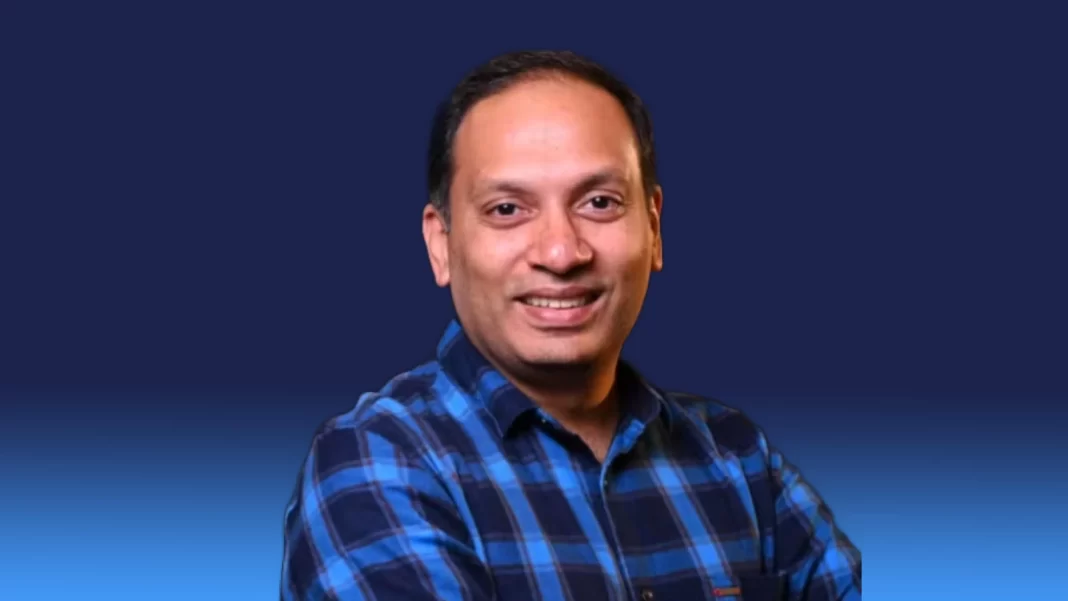

India’s push for technological sovereignty should focus on retaining control over data, knowledge and AI-driven decisions rather than attempting to develop every technology domestically, according to Manish Bafna, senior vice-president of engineering, Responsive.
Bafna said Indian engineers must prioritise security, verifiable AI outputs and control over critical knowledge as artificial intelligence becomes an integral part of enterprise software.
“India’s next phase of technological sovereignty will not be defined by building every technology ourselves. It will be defined by our ability to retain control over what matters most: our knowledge, our intelligence, our data and the decisions technology helps us make,” he told TechObserver.in.




He said the growing use of AI would require engineers to look beyond development speed and scalability when designing software systems.
Engineering teams must ensure that AI systems use trusted information, produce outputs that can be verified and incorporate security and governance requirements from the initial design stage, rather than adding them later.
Engineering innovation
Bafna said India has an opportunity to move beyond its traditional role as a global technology services provider and develop its own engineering innovations.
This would require combining global technologies with intellectual property developed in India, while ensuring that systems remain interoperable and critical knowledge does not become dependent on a single AI model or technology platform.
“The winning architectures will not necessarily replace every global technology; they will combine the best global capabilities with differentiated intellectual property, open interoperability and engineering choices that prevent critical knowledge from becoming dependent on any single model or platform,” he said.
Bafna also called for a more deliberate approach to technology development, particularly in reducing duplication across infrastructure and organisational knowledge.
He said sustainability should involve reusing existing resources and avoiding unnecessary duplication rather than continually building new systems.
Citing Responsive’s own technology, Bafna said the company had developed a Content Health capability that monitors the accuracy, freshness and duplication of information within an organisation’s knowledge base.
The capability recommends which information should be corrected, consolidated or retired, rather than focusing solely on generating new content faster, he said.
Bafna said technological self-reliance should ultimately give Indian organisations greater freedom to choose their technology, develop their own capabilities and retain control over what they create.
“Indian engineers have the scale and the talent to lead this shift. What’s left to build isn’t every layer of technology – it’s the judgment to know what to own, what to buy, and what to leave open,” he said.


