HomeLatest NewsTelecomGovt frames rules for laying overhead optical fiber cable

Govt frames rules for laying overhead optical fiber cable

The amendment provides for a one-time compensation of Rs 1,000 per kilometre for laying overhead OFC, resulting in a consistent levy/fee levied by local governments.

Preferred Source of Google

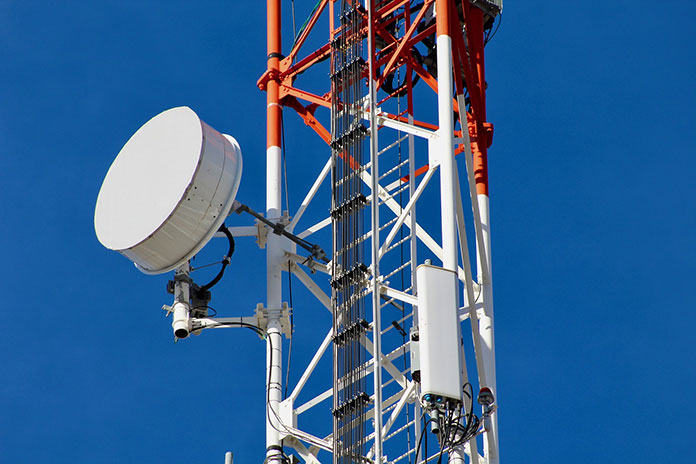
The Department of Telecommunications () revised the Indian Telegraph Right of Way Rules (RoW) to establish a framework for installing overhead optical fibre cable (OFC), a step that will aid in the development of infrastructure required for the country’s rollout.

The amendment provides for a one-time compensation of Rs 1,000 per kilometre for laying overhead OFC, resulting in a consistent levy/fee levied by local governments. Until date, the RoW Rules applied only to subterranean OFC and mobile towers.

“These modifications would streamline the approval process for the construction and expansion of digital communications infrastructure across the country,” the DoT stated in a statement. It said that a robust pan-India digital infrastructure would help overcome the digital divide between rural and urban areas, as well as between rich and poor.

Advertisement
Infosec Reimagined
Infosec Reimagined
Infosec Reimagined 2026 is the premier information security summit where top leaders—CISOs, CROs, CIOs, CTOs and risk executives—converge to redefine cyber resilience.
Register Now →
Digital Senate
Digital Senate
Digital Senate is a premier conference uniting government leaders, technologists and innovators to share ideas, success stories and strategies on digital governance, public sector transformation, cybersecurity and emerging technologies in India.
Register Now →
CIO Prism
CIO Prism
CIO Prism unites forward-thinking technology leaders to exchange transformative insights, shape digital strategies, and foster innovation, empowering enterprises to excel in an era of rapid technological change.
Register Now →
National DefTech Summit
Featuring keynotes, expert panels, live tech demos and strategic networking, the summit will drive actionable insights for defence sector.
Register Now →

The Cellular Operators Association of India (COAI), which represents the industry, described the action as “progressive” and stated that “…this mandate requires that critical infrastructure be developed at the lowest logistical costs possible.” The COAI is comprised of Bharti Airtel, Vodafone , and Reliance Jio Infocomm.

Another industry group, the Digital Infrastructure Providers Association, or DIPA (formerly TAIPA), which represents tower companies, stated that the amendment clearly defined the framework for laying overhead OFC and thus contributed significantly to the development of necessary infrastructure for the upcoming 5G rollouts.

The DIPA explained the amendment’s relevance by emphasising the importance of optical fibre as a vital and structural component of both mobile and fixed broadband networks. Accelerating the spread of fibre was critical for backhauling a significant volume of data at a high rate, increasing dependability, and lowering latency.

Get the day's headlines from Tech Observer straight in your inbox

By subscribing you agree to our Privacy Policy, T&C and consent to receive newsletters and other important communications.
Tech Observer Desk
Tech Observer Desk
Tech Observer Desk at TechObserver.in is a team of technology reporters led by a senior editor who brings latest updates and developments from the world of technology.
- Advertisement -
Powered By Veeam Logo
- Advertisement -

Subscribe to our Newsletter

By subscribing you agree to our Privacy Policy, T&C and consent to receive newsletters and other important communications.
- Advertisement -

India’s GCC Story Has Moved Beyond Cost — Trust Is the New Currency

Japan's growing GCC presence in India reflects a fundamental shift from cost arbitrage to engineering capability and institutional trust, signalling where India's next chapter in global capability centres is headed.

RELATED ARTICLES